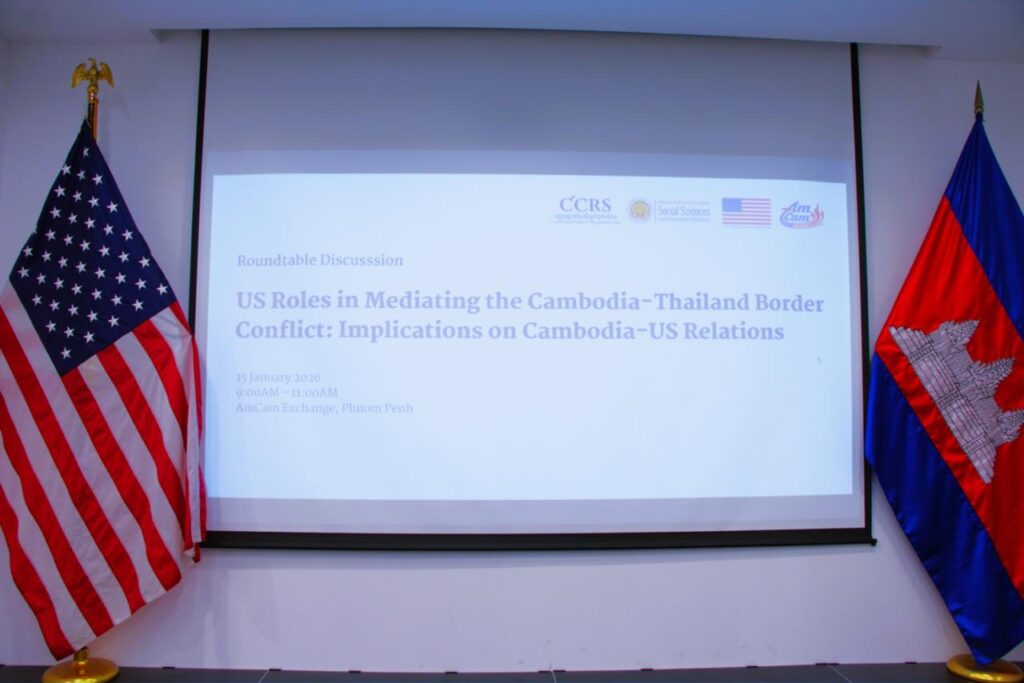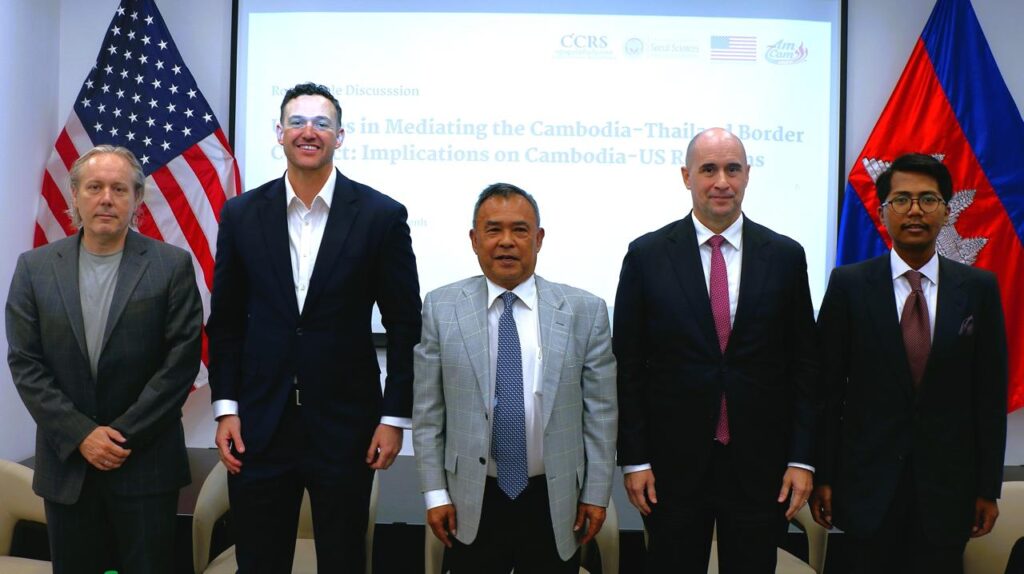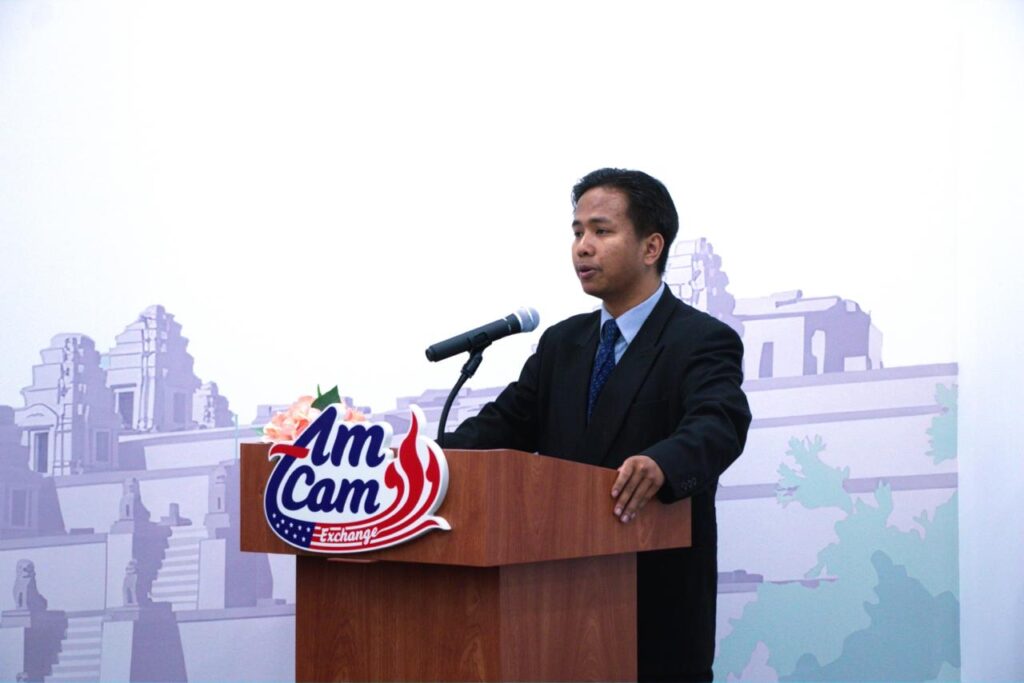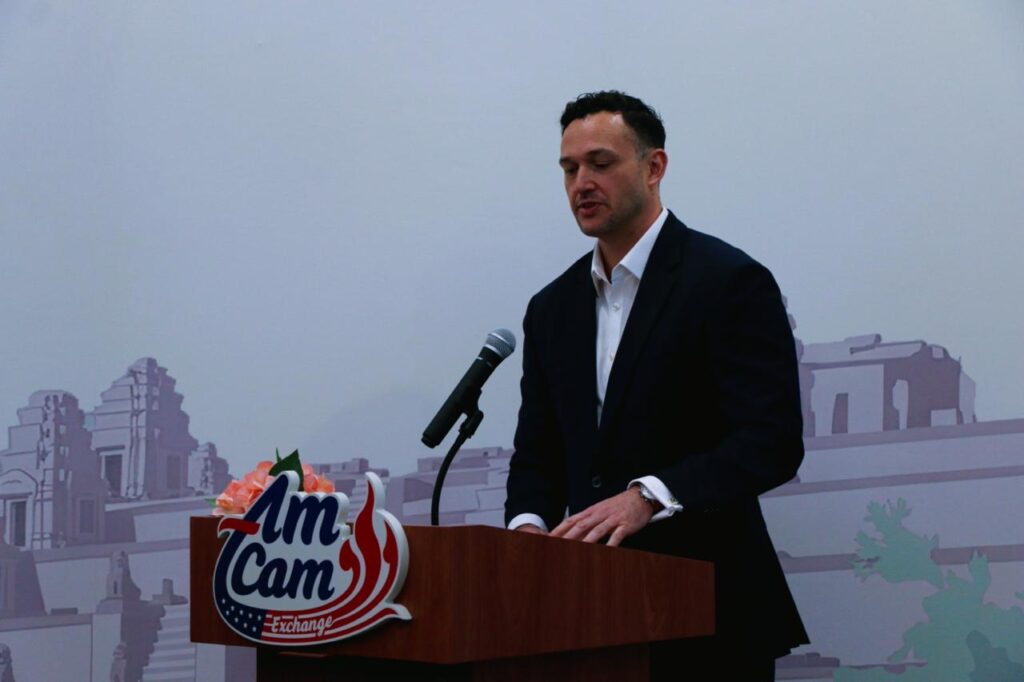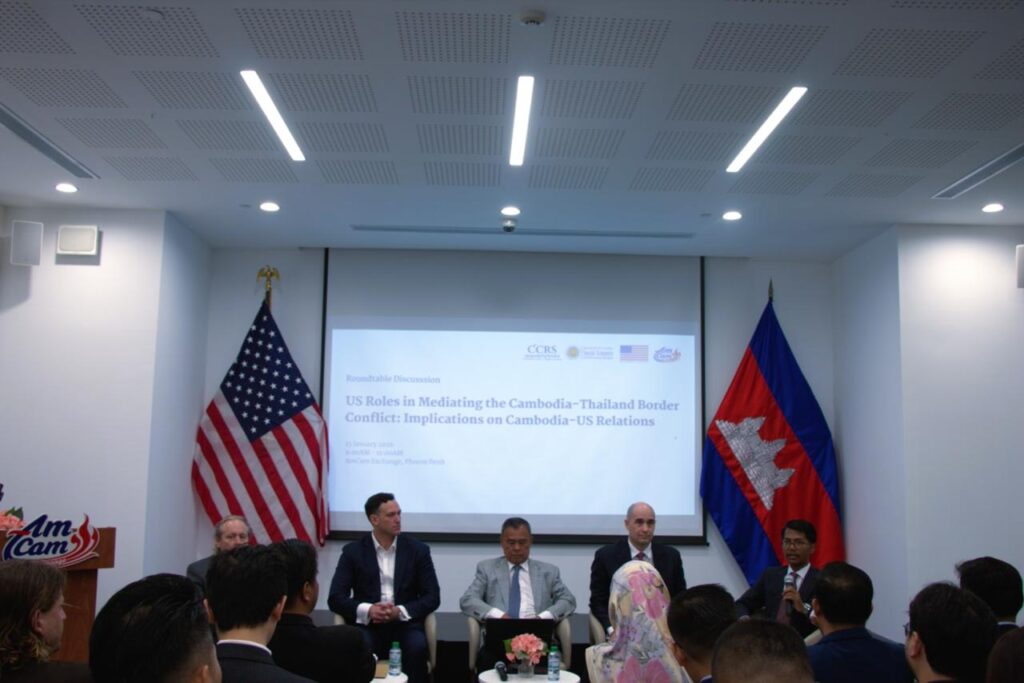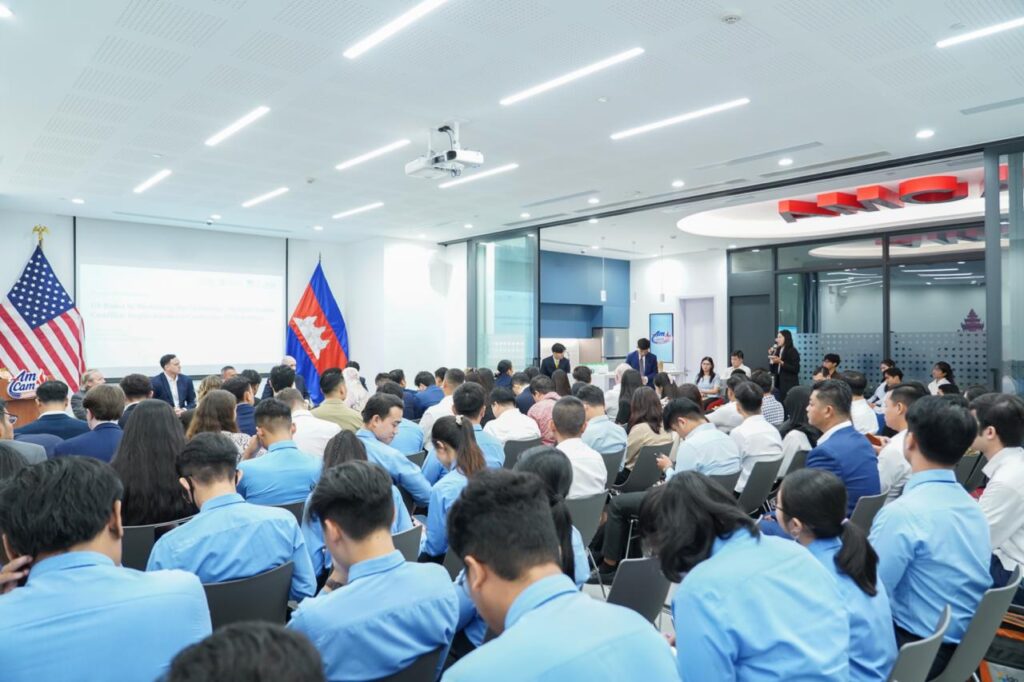
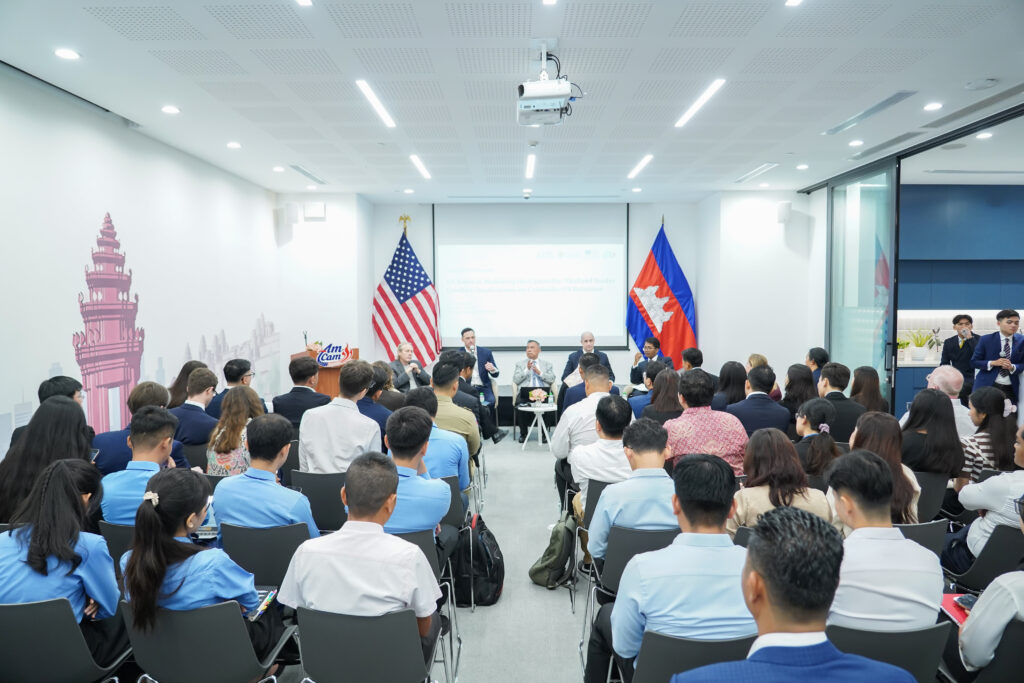
On 15 January 2026, 9-11am, at AmCam Exchange, Phnom Penh, the Cambodian Center for Regional Studies (CCRS) organized a roundtable discussion on “US Roles in Mediating the Cambodia-Thailand Border Conflict: Implications on Cambodia-US Relations”. The event was held in collaboration with the Faculty of Social Sciences and International Relations, Paññāsāstra University of Cambodia, with the support of the US Embassy in Cambodia. More than 100 participants took part in this meeting, ranging from government officials, diplomatic corps, think tankers, academia, civil society representatives, private sector, and university students.
The roundtable aimed to discuss how the US preeminence can be leveraged to enhance the effective implementation of the Cambodia-Thailand peace process, and efforts towards peace, reconciliation, and normalization between the two neighboring countries. Another key objective of the discussion was to deliberate on opportunities to reset Cambodia-US relations.
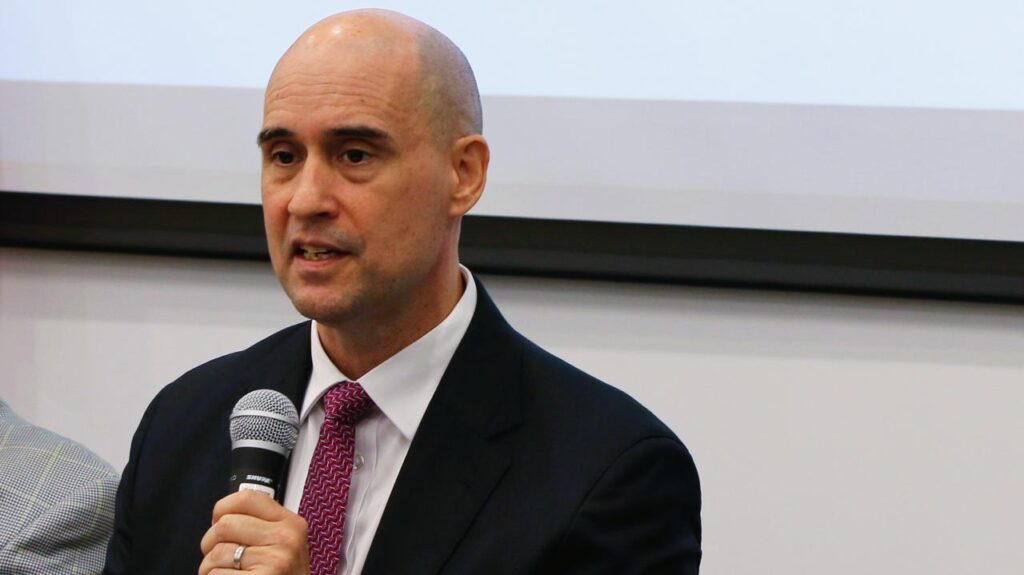
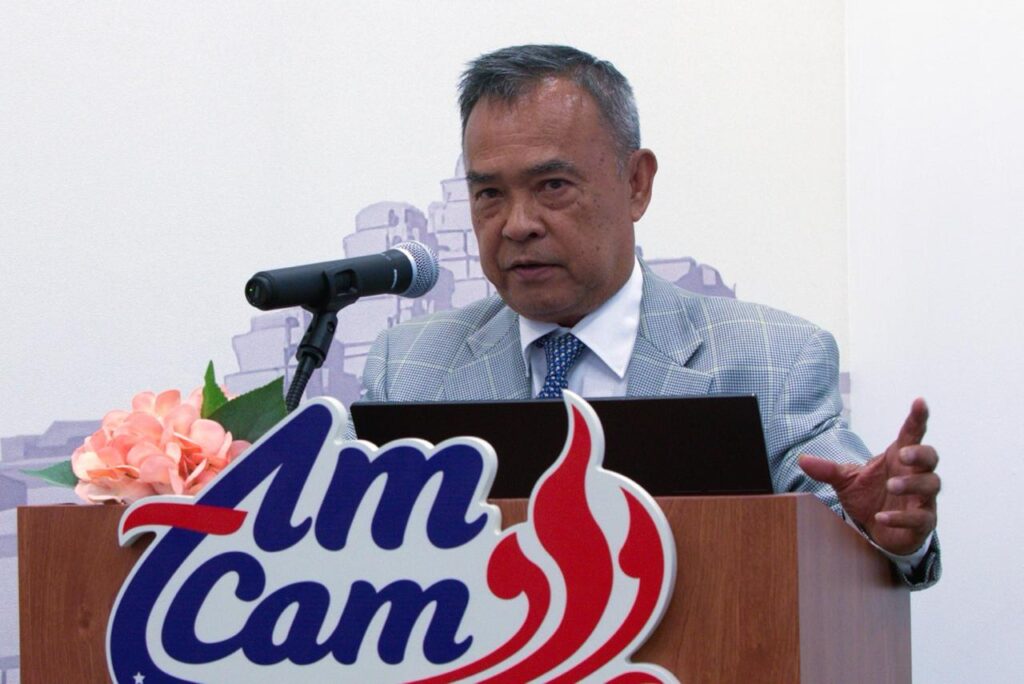
Distinguished experts invited to share thoughts on these important topics included: Mr. Andrew Leyva, Political and Economic Counselor of the US Embassy in Cambodia; Mr. Casey Barnett, President, American Chamber of Commerce in Cambodia; Mr. Kevin Nauen, Dean of Faculty of Social Sciences and International Relations, Paññāsāstra University of Cambodia; and Amb. Pou Sothirak, Distinguished Senior Advisor to CCRS. Mr. Him Rotha, Deputy Director of CCRS, moderated the roundtable. Before the commencement of the discussion, Mr. Andrew Leyva delivered a special remark.
US Important Roles in Mediating Cambodia-Thailand Border Conflict
The roundtable discussion and its subsequent open Q&A session from the participants were candid and interesting. All speakers agreed on the importance of the US in mediating the Cambodia-Thailand border conflict, and emphasized the need of the US to continue provide support for constructive efforts for both Phnom Penh and Bangkok to adhere to the ceasefire agreements of 28 July 2025 and 27 December 2025, the Kuala Lumpur Peace Accord of 26 October 2025, and other necessary processes for the two neighboring countries to return to peace and restore relations.
Mr. Andrew Leyva highlighted the US active efforts to stop the fighting and support the return of peace between Cambodia and Thailand. During the two rounds of fighting – the first on 24-28 July 2025, and the second on 7-27 December 2025, through consistent and high-level diplomacy put forth by President Donald Trump and Secretary of State Marco Rubio, Washington has worked closely with Cambodia, Thailand and Malaysia as ASEAN Chair, to secure the attainment and implementation of ceasefire agreements to stop the armed conflict. The recent visit on 9-10 January 2026 to both Cambodia and Thailand of US Assistant Secretary of State for East Asian and Pacific Affairs Michael DeSombre – along with the assistance package of 45 million USD covering humanitarian assistance, demining and tackling online scams – affirmed the US commitment towards the return of peace between Cambodia and Thailand. Mr. Leyva also noted that while the US has played roles to support the peace process between Cambodia and Thailand, the contributions from the two parties and Malaysia are crucial to make possible the ceasefire agreements and the peace accord.
Mr. Casey Barnett mentioned that efforts by the US through leveraging economic means to stop the border fighting are vital as this conflict has impacted negatively on economic situations between the two countries. Businesses have been affected adversely, especially in Cambodia. The US efforts in helping put a stop of the fighting, giving spaces for much-needed economic recovery.
Mr. Kevin Nauen discussed how the US involvement in the border conflict has unfolded. Washington has evolved from a position of strategic observation to assertive mediation. It has used a combination of economic leveraging, transactional diplomacy, and technical intelligence sharing such as offering to provide satellite imagery for Cambodia, Thailand, and the ASEAN Observer Team (AOT) on the situations along the border. Beside these approaches, the US has stressed the importance of ASEAN in this whole peace process so that the US efforts would be more acceptable to both Cambodia and Thailand, and more supported by regional states.
Amb. Pou Sothirak emphasized the important roles of US President Donald Trump in leveraging diplomatic pressures and mediation to halt the border fighting and the return of peace between Cambodia and Thailand. President Donald Trump’s swift initiative to broker the peace between Cambodia and Thailand by engaging in direct phone calls to the two Prime Ministers of both countries have contributed substantively to avert the collateral damage and adverse consequences of war. His high-level diplomacy has culminated in the ceasefire agreement and later formalized in Kuala Lumpur Peace Accord witnessed by himself along with PM Anwar Ibrahim of Malaysia. These two important instruments remain the most viable framework to return normalcy peacefully and allow Cambodia and Thailand to live in peace again. The Cambodian government and all Cambodians express sincere appreciation to the US President Donald Trump for his unwavering support for peace to return to both countries and to the region.
Resetting Cambodia-US Relations
With regard to the improved trajectory of Cambodia-US relations, the roundtable concurred that the question is no longer whether there are opportunities for the two countries to reset relations, but how both Phnom Penh and Washington can boldly reset the bilateral relations towards a higher plane.
Mr. Andrew Leyva said the US attaches importance to its relationship with Cambodia and looks forward to working in partnership with Cambodia on health, education, trade, investment, defense and military cooperation. In the next coming months, there are more concrete announcements on these cooperation programs between Cambodia and the US.
Mr. Casey Barnett noted that the trade and investment cooperation between Cambodia and the US is set to grow. Cambodia is one of the only two countries that has so far reached a reciprocal trade agreement with the US with a relatively low tariff of 19%. This swift action of Cambodia vis-à-vis the US, besides earning goodwill, gives predictability to investors which help enhance trade and investment relations between Cambodia and the US. This is important because the US is a major market for Cambodia, accounting for 38% of the latter’s total exports.
Mr. Kevin Nauen mentioned that the shift of thinking of US diplomacy along with its important roles in mediating Cambodia-Thailand border conflict contribute to the improved trajectory between Washington and Phnom Penh. The growth of the bilateral relations going forward depends on what both countries choose to decide, especially in economic and security areas.
Amb. Pou Sothirak articulated that the important roles of the US in halting conflict between Cambodia and Thailand offers an opportunity to reset Cambodia-US relations. This is a chance for both Phnom Penh and Washington to move beyond the old narrative of alignment and dependency toward one based on transparency, mutual respect and shared strategic interest. Cambodia geography gives its strategic importance regionally. For the United States, greater engagement with Cambodia fits well with the US-led Indo-Pacific Strategy which aims at fostering a free, open, connected, prosperous, secure and resilient region through diplomacy, strengthening cooperation, deepening economic ties, building partner capacity, democratic governance, international law and shared security. For Cambodia, deep US cooperation would carry regional significance as well. Re-engaging with the US in the region could signal a recommitment to an open region of Southeast Asia to the American presence which is known as an anchor for peace and stability. He emphasized that a constructive and flourishing relationship between Washington and Phnom Penh could serve as a bridge for ASEAN mainland bloc and to help boost prosperity and promote greater development in mainland Southeast Asia, particularly in the Mekong region.