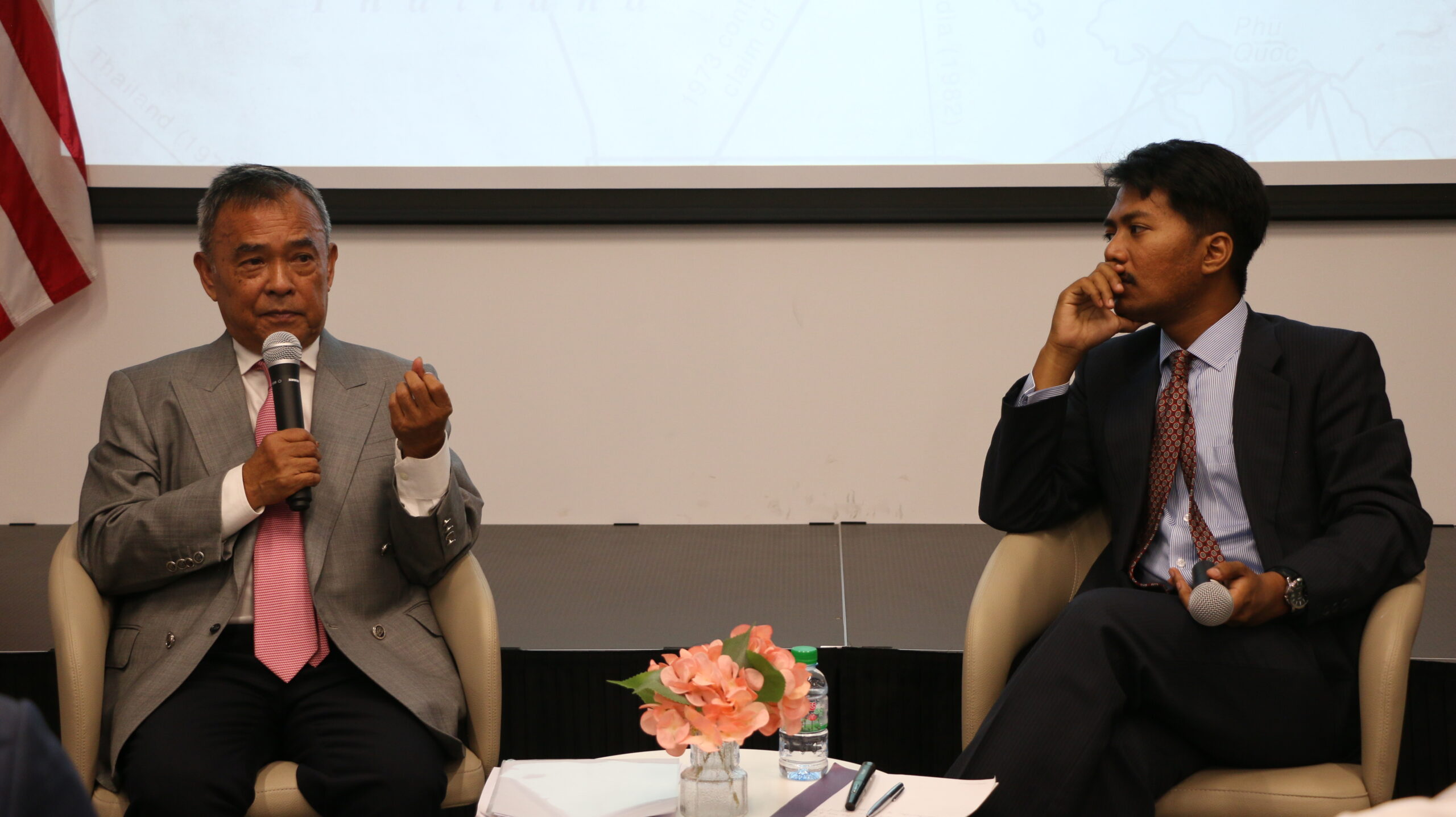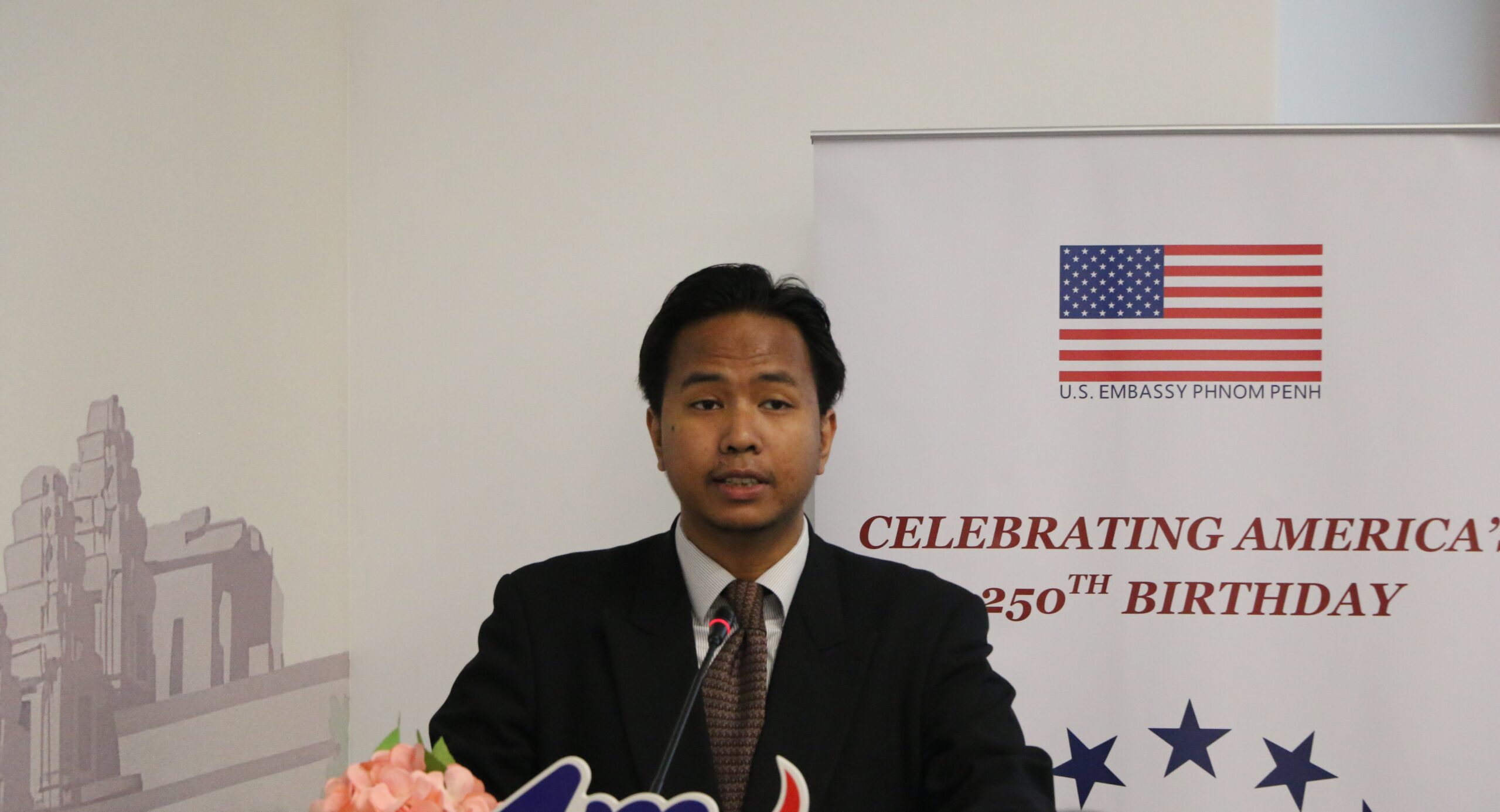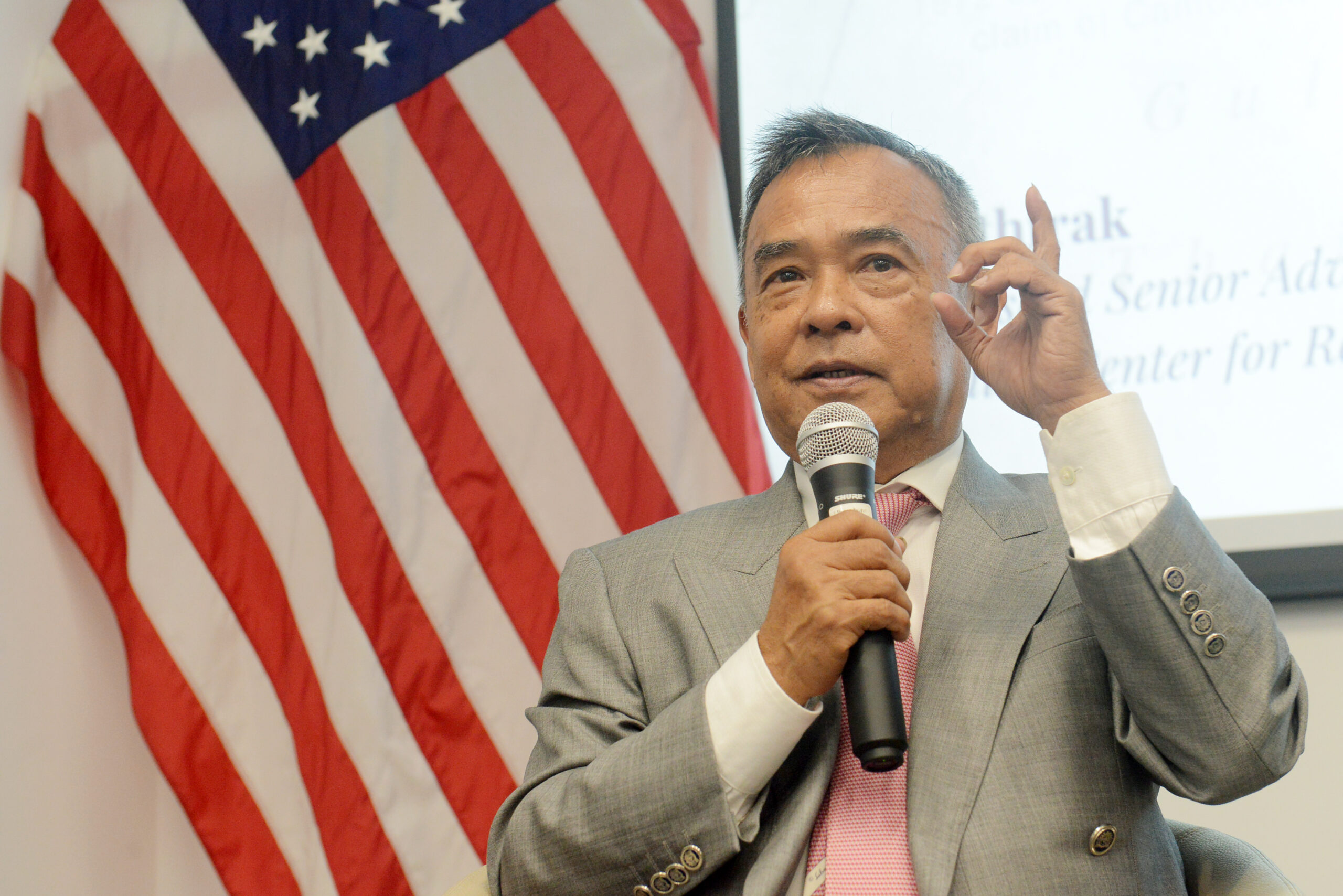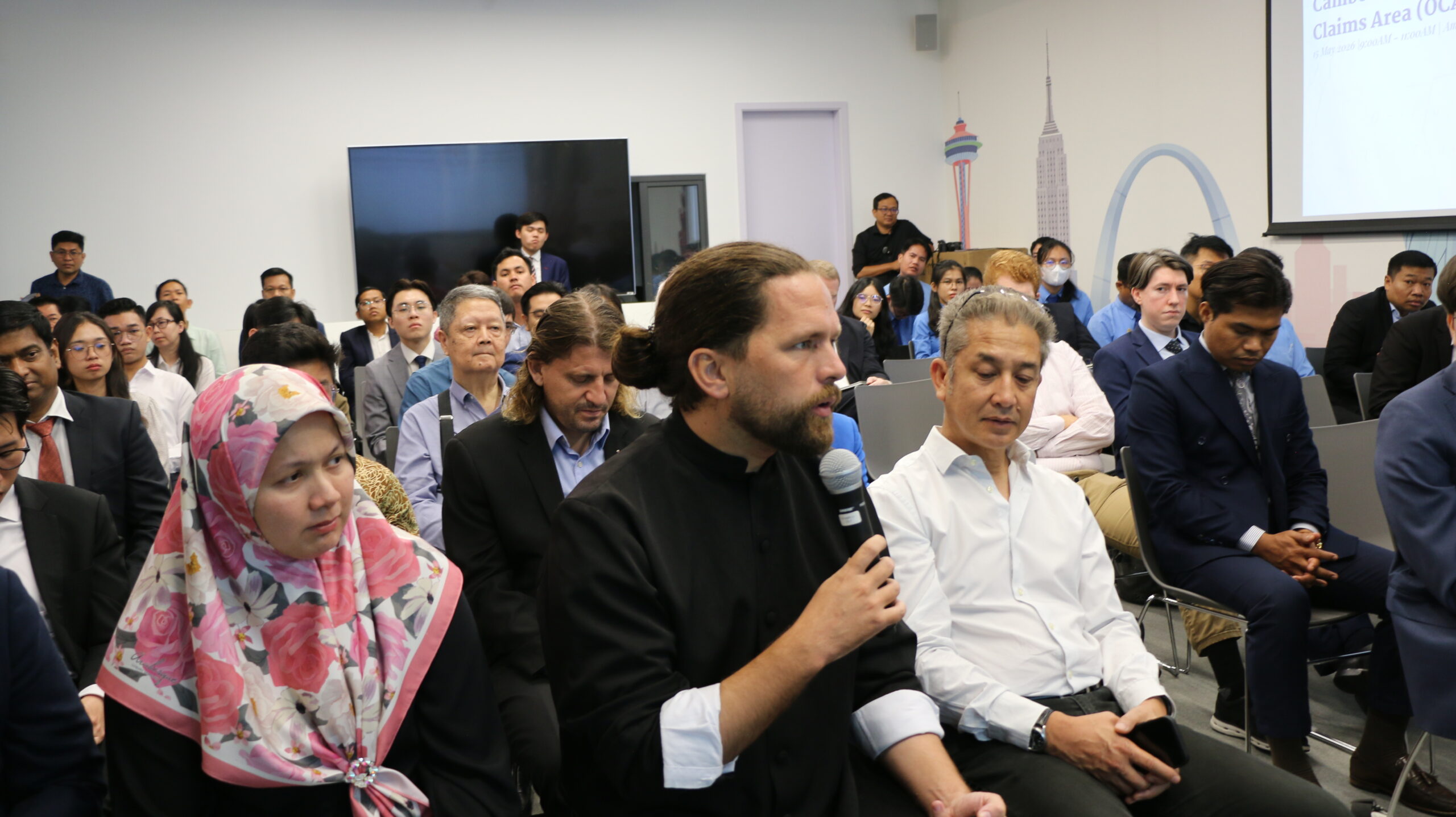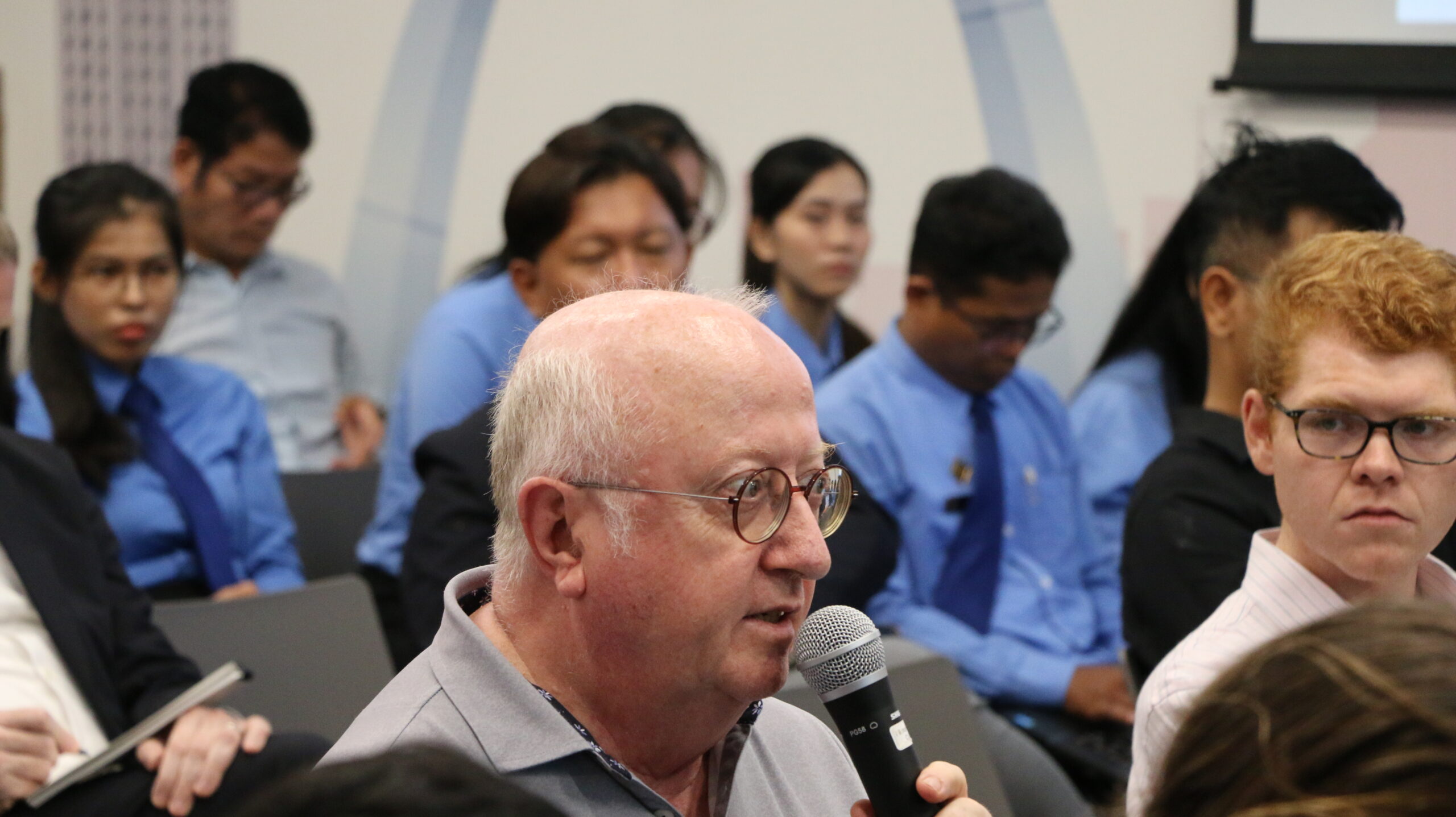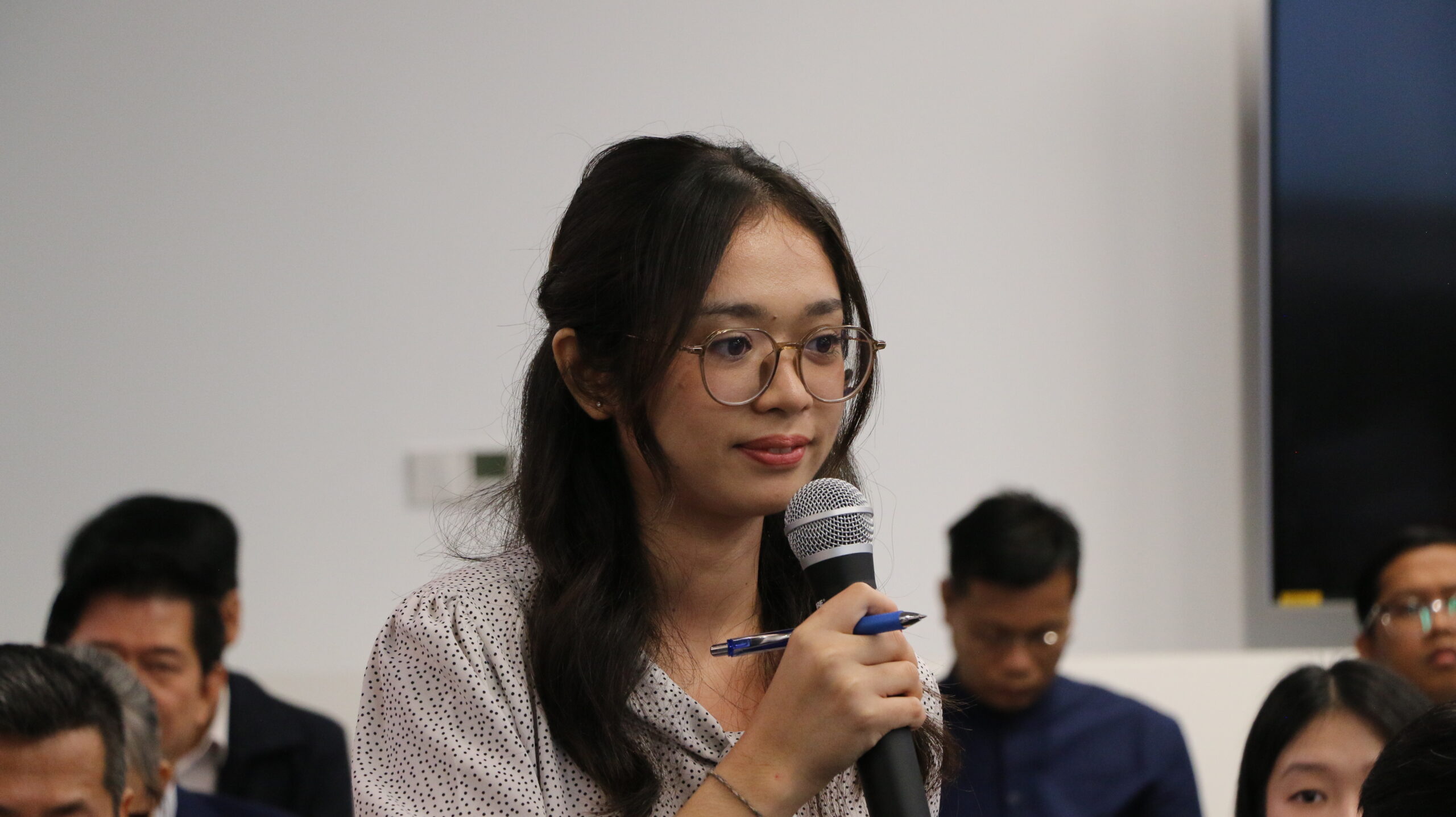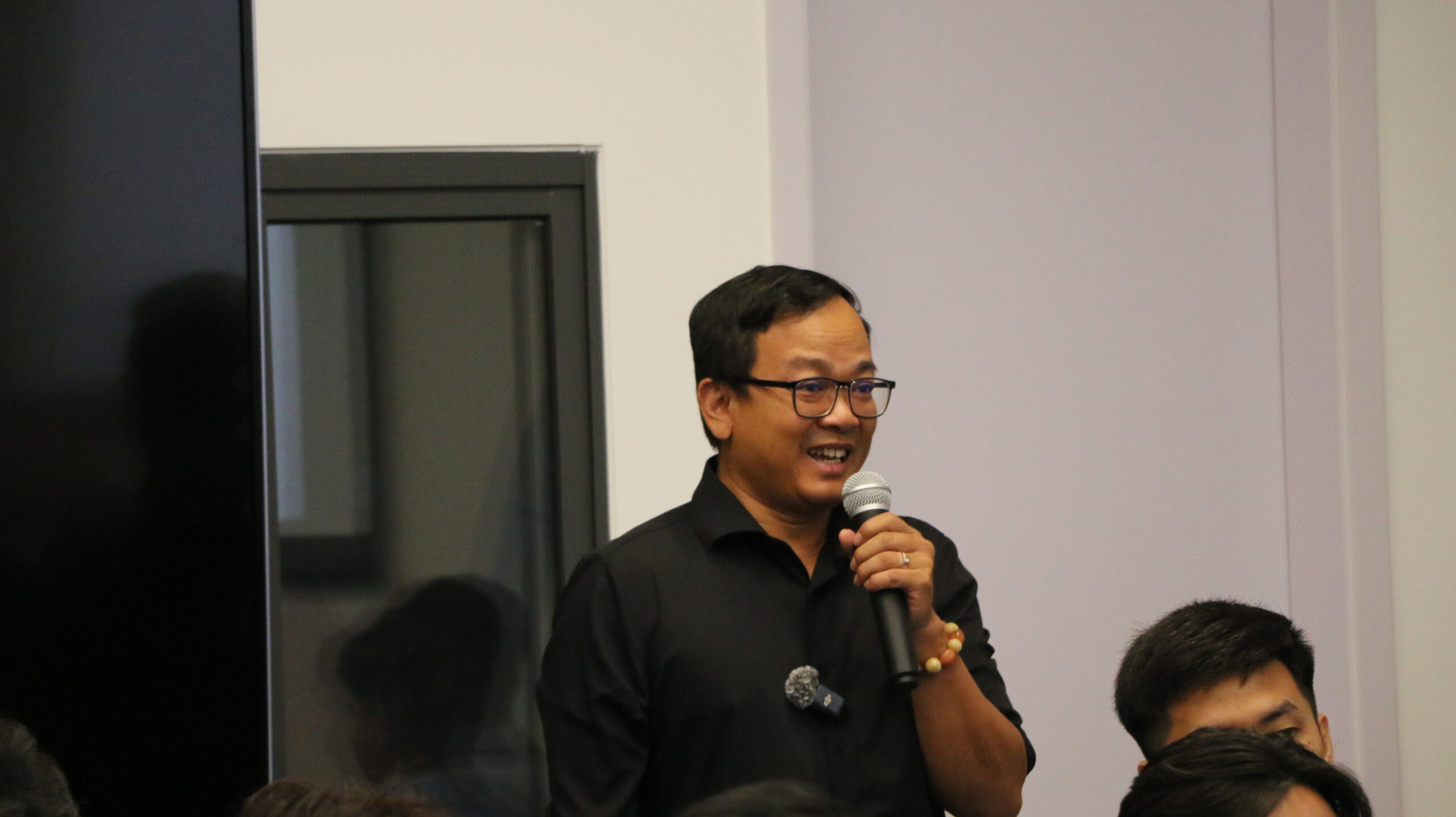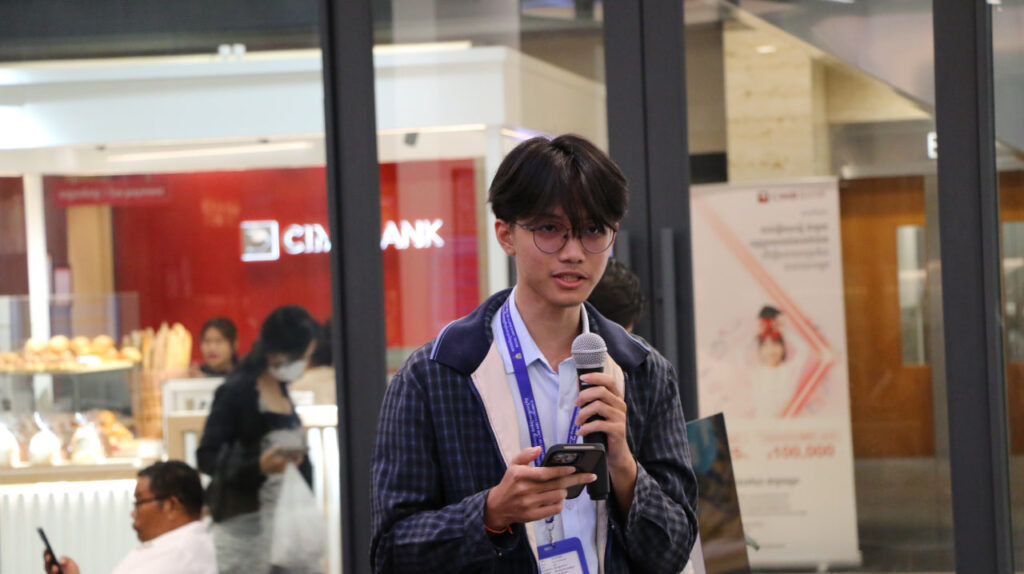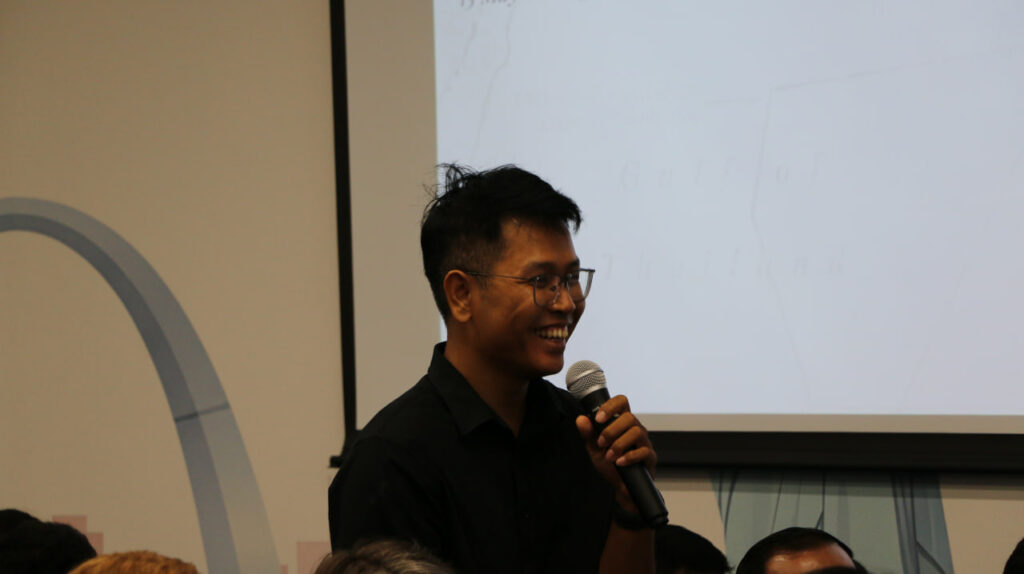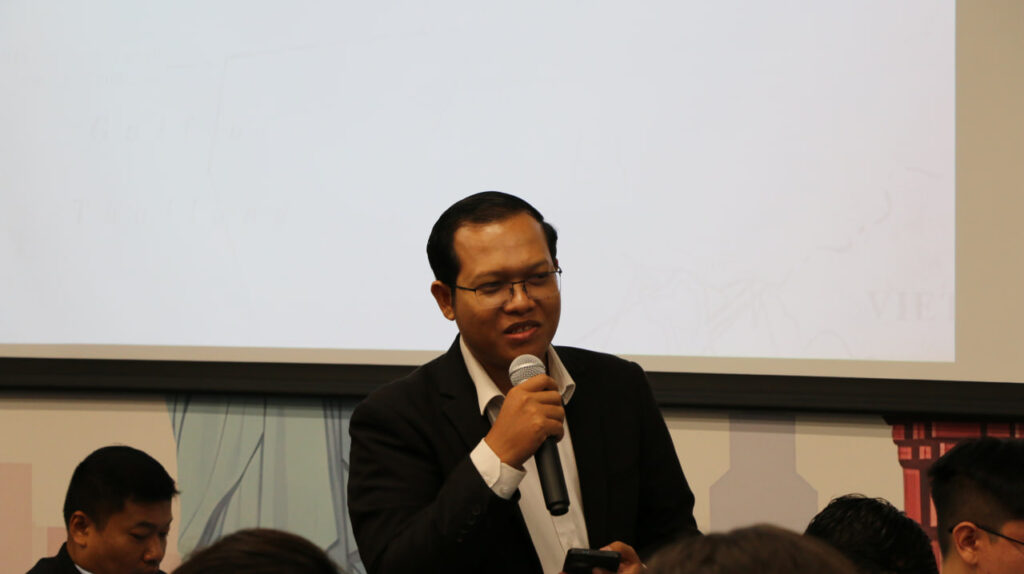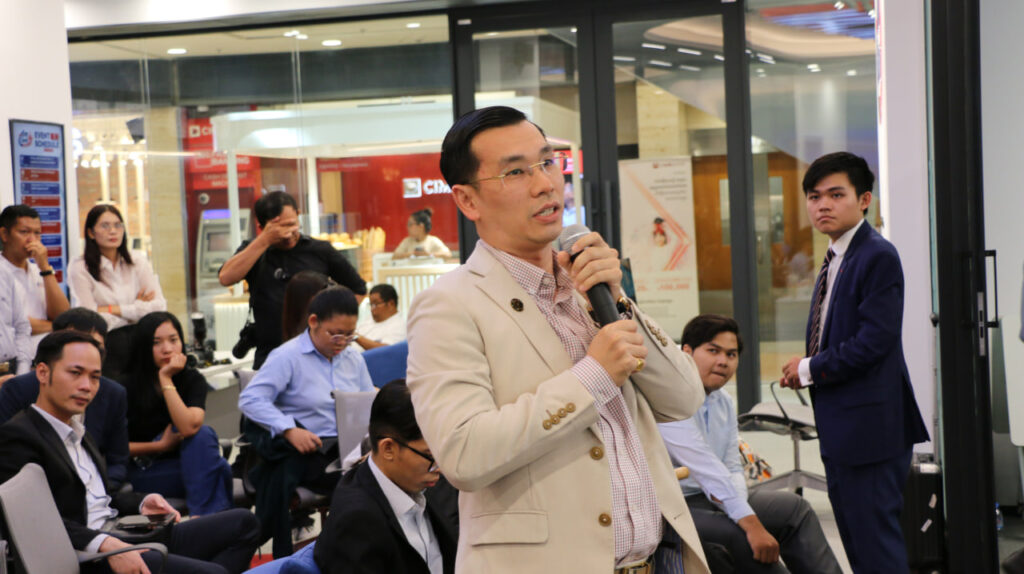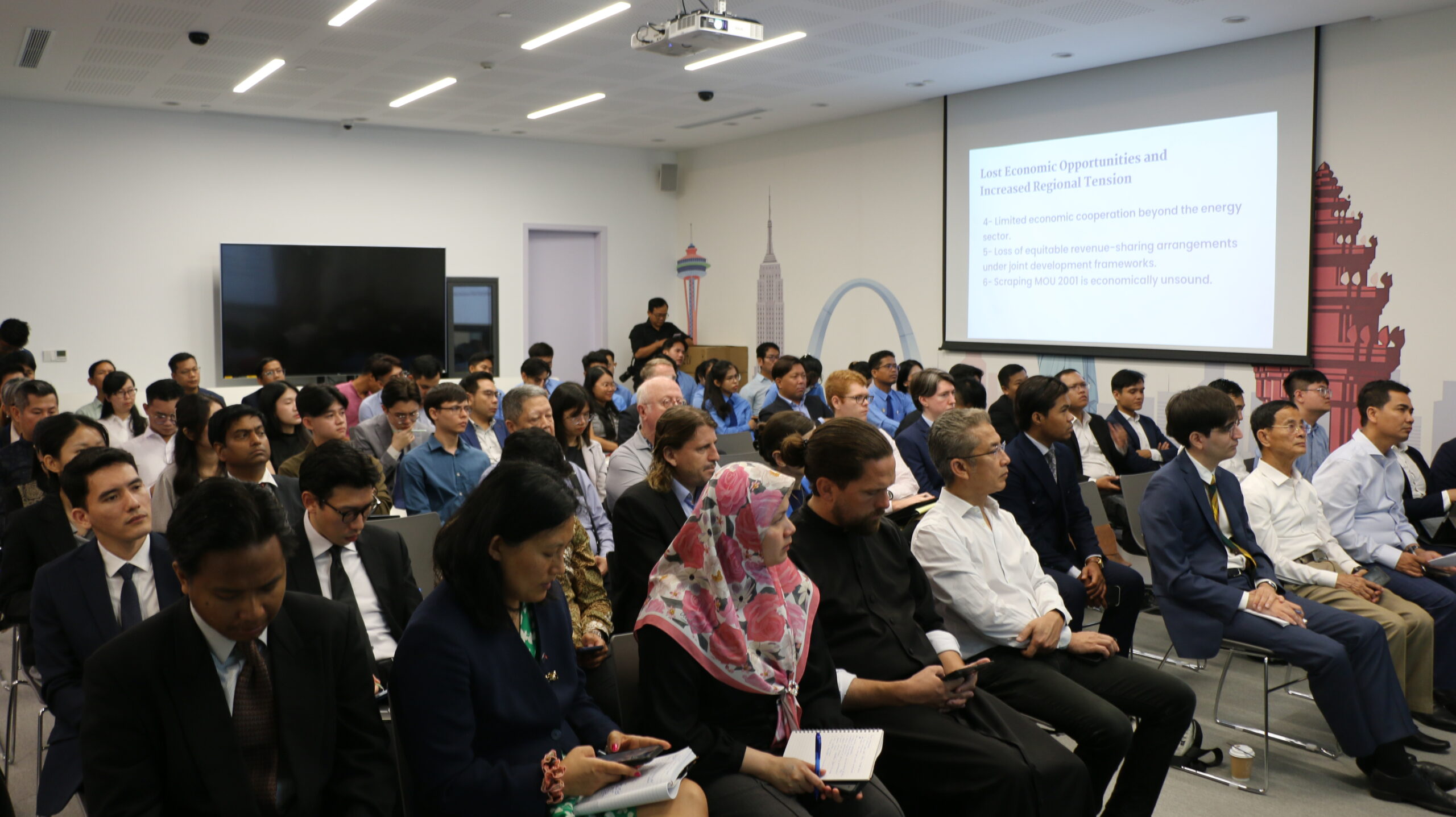
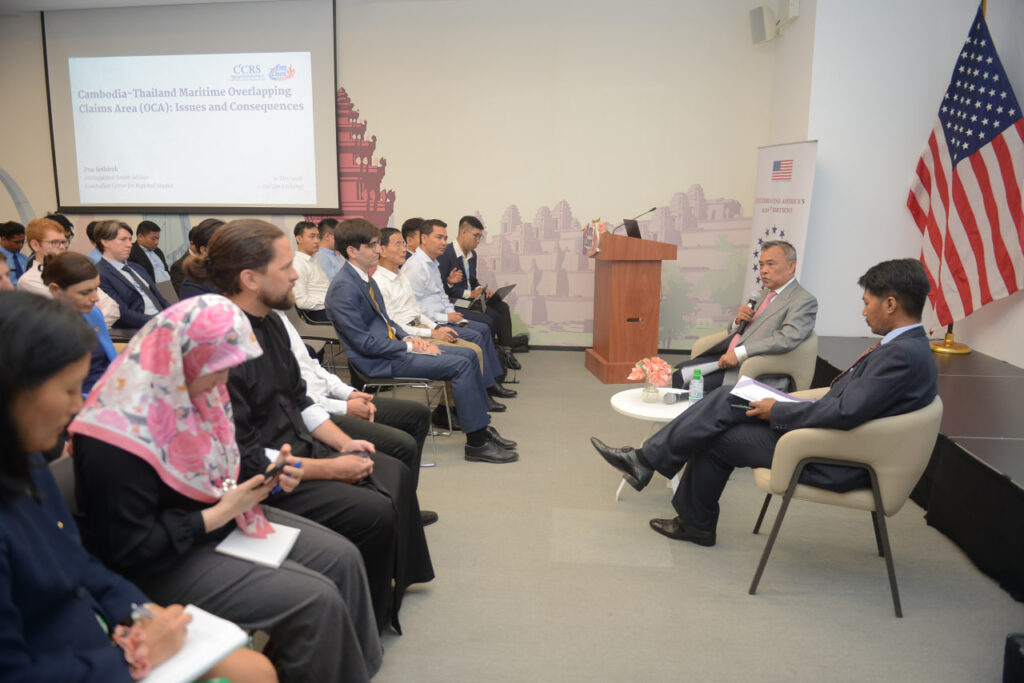
On 15 May 2026, the Cambodian Center for Regional Studies (CCRS), in partnership with AmCam Exchange, co-organized a public lecture on “The Cambodia–Thailand Overlapping Claims Area (OCA): Navigating the Implications of the 2001 MOU Cancellation.” The lecture featured Amb. Pou Sothirak, Distinguished Senior Advisor to CCRS and former Minister of Industry, Mines and Energy, and was moderated by the CCRS leadership. The event drew an audience of approximately 100 participants, including Cambodian government officials, members of the diplomatic corps, academia, and university students.
The lecture discussed ramifications of Thailand’s cancellation on 5 May 2026 of the 2001 Memorandum of Understanding regarding the Area of their Overlapping Maritime Claims to the Continental Shelf (MOU 2001). This MOU had served for 25 years as the sole framework for managing the 26,000 sq km resource-rich maritime zone.
Amb. Pou Sothirak, a knowledgeable scholar on this issue, provided a comprehensive analysis focused on the severe implications of this cancellation across three critical domains.
First, the Diplomatic Consequences: Amb. Pou argued that the cancellation marks a “watershed shift” in bilateral relations, resulting in the total loss of a formal legal mechanism to manage the OCA. He warned that the absence of a governing framework significantly increases the risk of maritime confrontations between naval forces and fishing vessels. Furthermore, he noted that the cancellation appeared driven by Thai domestic politics and military influence, leading to an erosion of trust and the entrenchment of nationalist rhetoric on both sides. This diplomatic vacuum, he cautioned, creates a dangerous environment where miscalculation could lead to catastrophic losses for both kingdoms.
Second, the Legal Implications and Regional Tensions: The Ambassador anchored his analysis in the shift from bilateral diplomacy to international legal recourse. Following the cancellation, Cambodia formally rejected new bilateral negotiations and invoked the compulsory conciliation mechanism under the United Nations Convention on the Law of the Sea (UNCLOS), facilitated by Cambodia’s timely ratification of the convention in February 2024. This legal shift characterizes Thailand’s withdrawal as “legal irredentism,” creating new complications in maritime demarcation. Beyond the bilateral scope, Amb. Pou expressed concern that such a dispute undermines ASEAN’s credibility and its ability to maintain a unified approach to maritime governance, particularly regarding the South China Sea.
Third, the Economic Consequences: Amb. Pou provided a stark assessment of the “profound and unnecessary” economic loss. Based on exploration data from his time as Minister, he estimated that the OCA contains approximately 11 trillion cubic feet of natural gas and hundreds of millions of barrels of oil. The termination of the MOU eliminates the prospect of joint development, reducing energy security for both nations at a time of global instability. He characterized the cancellation as “economically unsound,” as both countries now forgo equitable revenue-sharing and the development of vital petrochemical industries.
Despite these challenges, Amb. Pou highlighted a potential path forward through the diplomatic openings identified at the 2026 ASEAN Summit in Cebu. He cited the willingness of both Prime Minister Hun Manet and Prime Minister Anutin Charnvirakul to engage in de-escalation and direct communication looking for new step to re-engage the two sides on the management of the OCA by relying on the Cambodian proposed UNCLOS’ Compulsory Conciliation. He concluded with a metaphor for future negotiations: the need to “repackage the spirit of MOU 2001 into a new bottle of wine” that satisfies both nations’ sovereign and economic interests.
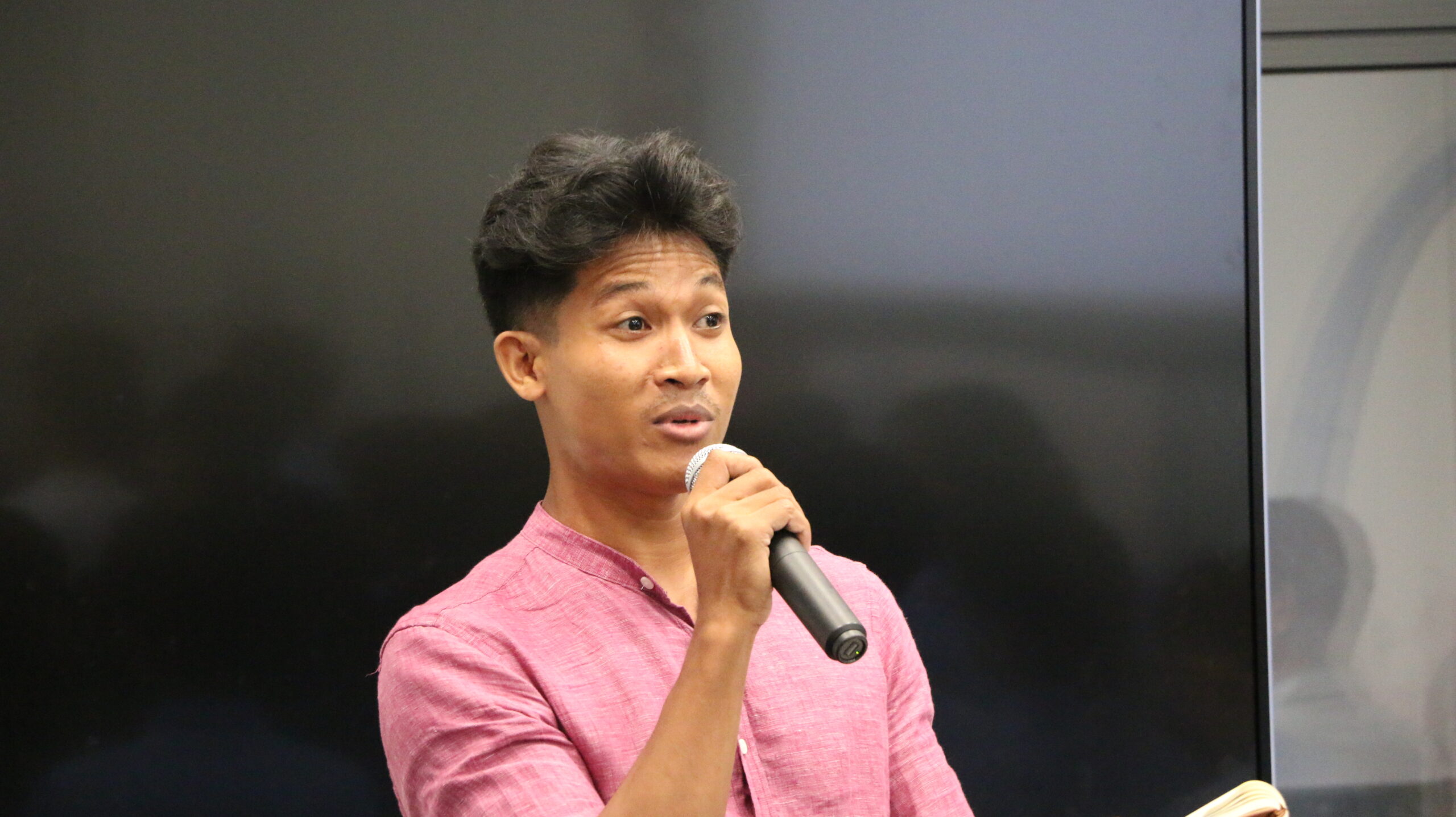
There were productive engagements during the Q&A session, with participants discussing Cambodia’s legal preparedness and the role of third-party mediation. The co-organizers hope that all participants found the public lecture useful and constructive. CCRS wishes to thank all participants for actively engaging with this topical event.
Link to Amb. Pou Sothirak’s presentation: https://drive.google.com/file/d/1MAkptEX3qPEH2w70tmpIXNwfEIaYrvZw/view?fbclid=IwY2xjawR18s1leHRuA2FlbQIxMABicmlkETFjRm1pVHpMNENNang2dDNqc3J0YwZhcHBfaWQQMjIyMDM5MTc4ODIwMDg5MgABHvwY-VXJol5t4M4VEfpRiwdy1pciQP-Y9Z4Oqx5zuf3sNLcL_9B68GPZAbKq_aem_My4Uaw0KdRDYSm6hV4627Q