
Amb. Pou Sothirak, Distinguished Senior Advisor to CCRS, recently gave interviews to both Cambodian and Thai press regarding the MOU 2001 cancellation and surrounded matters related to the Overlapped Claims Area (OCA) between Cambodia and Thailand:
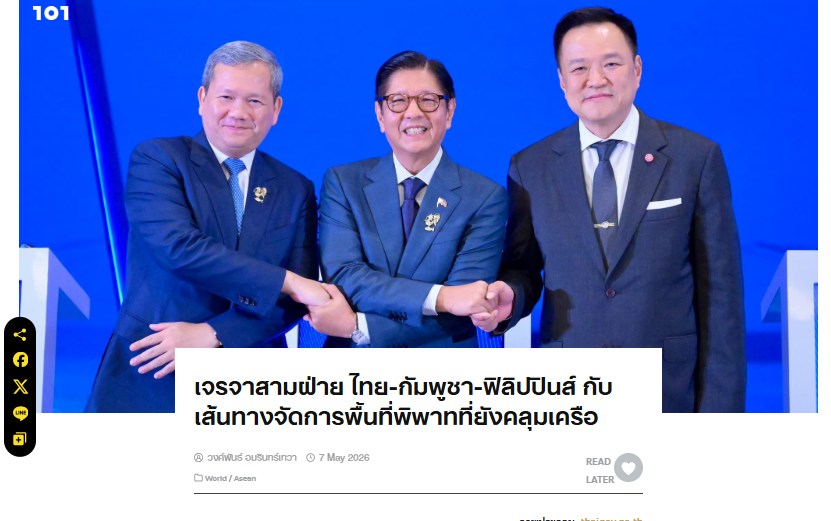
Article of The 101 World on MOU 2001 cancellation on 7 May 2026 in Thai is accessible in this link: https://www.the101.world/thailand-cambodia-philippines-tripartite-meeting/?fbclid=IwY2xjawR1955leHRuA2FlbQIxMABicmlkETFjRm1pVHpMNENNang2dDNqc3J0YwZhcHBfaWQQMjIyMDM5MTc4ODIwMDg5MgABHrVmSJ24AP_MNgviqn3zxTi05hLIJ4khQw_PCkmwnAOS1tejMhGZgT4E6qpI_aem_gesnspErFN-UWMXJG7xGmQ
The English translated version of this article is available in this link: https://drive.google.com/file/d/1yzRR9O8ItAaX8e0F5AU_dsotRyaqXEv6/view?fbclid=IwY2xjawR198RleHRuA2FlbQIxMABicmlkETFjRm1pVHpMNENNang2dDNqc3J0YwZhcHBfaWQQMjIyMDM5MTc4ODIwMDg5MgABHmShA5dUW3UzQjpBEB9vldXLtoNCOphFHkrr2heh_fUQQeEXCKpaHDZJ7spI_aem_lv1KglNeknMyNlFUOCcWqg
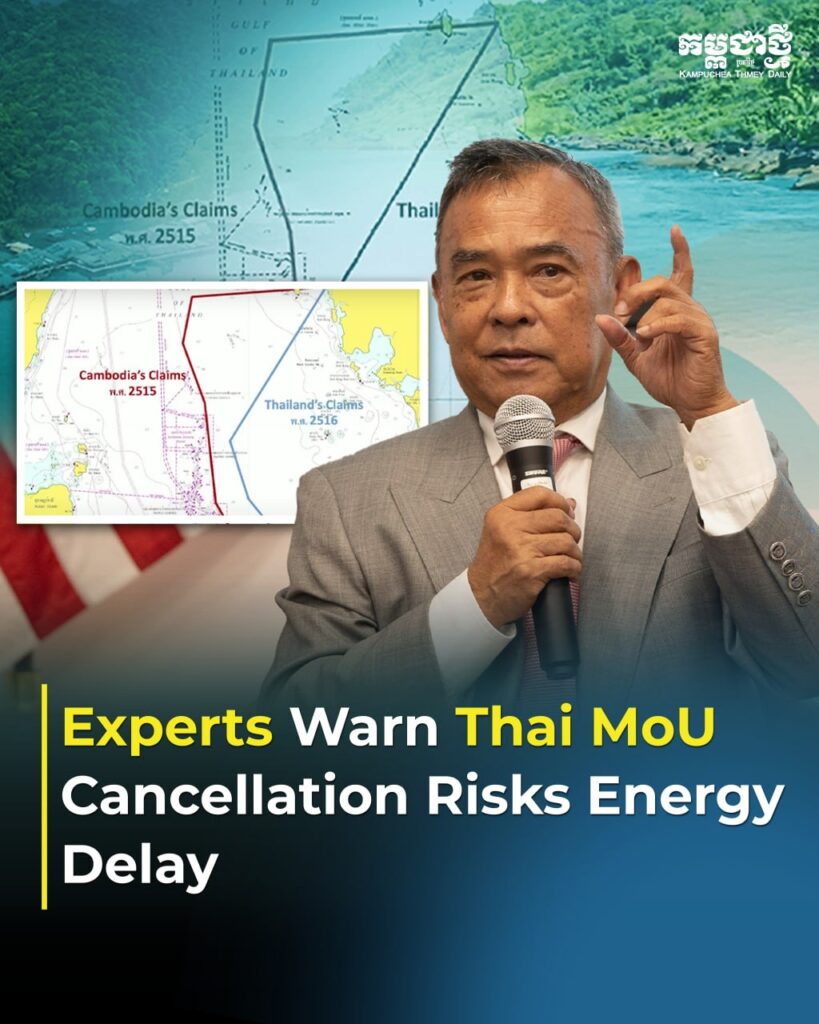
Experts Warn Thai MoU Cancellation Risks Energy Delay, 15 May 2026, Kampuchea Thmey English: https://lnkd.in/gcbvKHj7
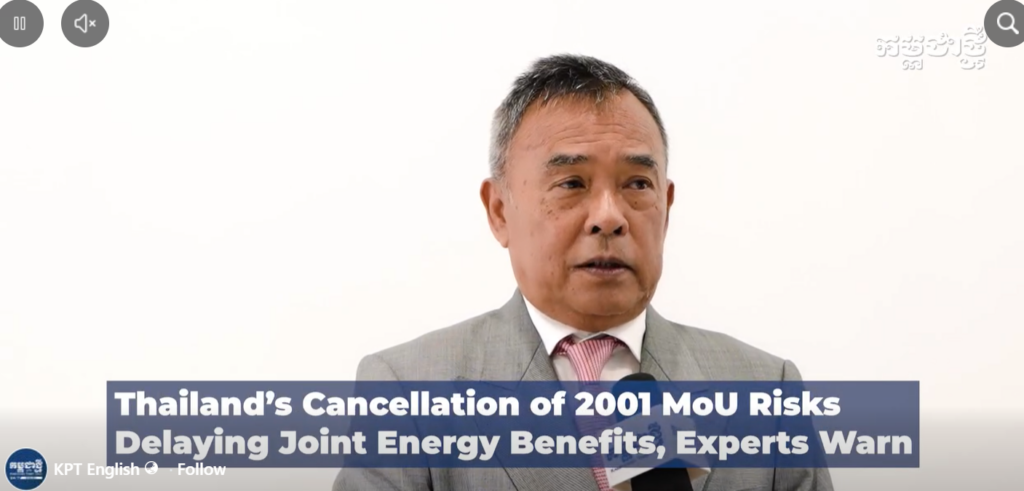
Thailand’s Cancellation of 2001 MoU Risks Delaying Joint Energy Benefits, Experts Warn, 15 May 2026, Kampuchea Thmey English: https://lnkd.in/gwuJ5_Tg
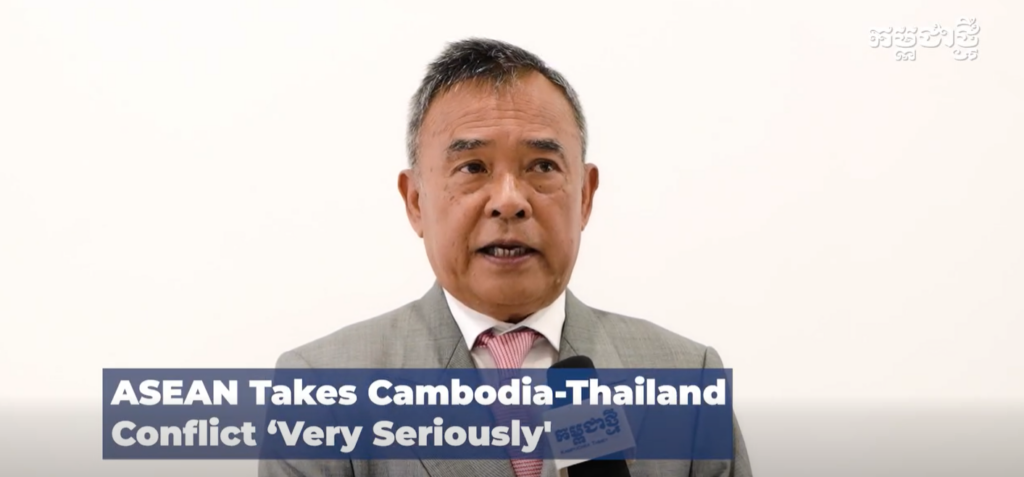
ASEAN Takes Cambodia-Thailand Conflict ‘Very Seriously’, 15 May 2026, Kampuchea Thmey English: https://lnkd.in/gmmtPBjq
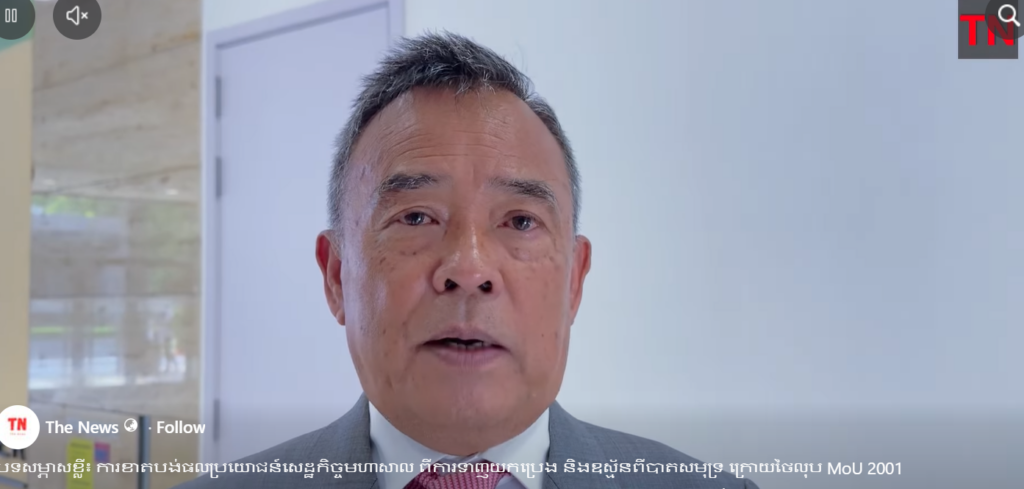
បទសម្ភាសខ្លី៖ ការខាតបង់ផលប្រយោជន៍សេដ្ឋកិច្ចមហាសាល ពីការទាញយកប្រេង និងឧស្ម័នពីបាតសមុទ្រ ក្រោយថៃលុប MoU 2001, 15 May 2026, The News: https://www.facebook.com/reel/1467718601770133
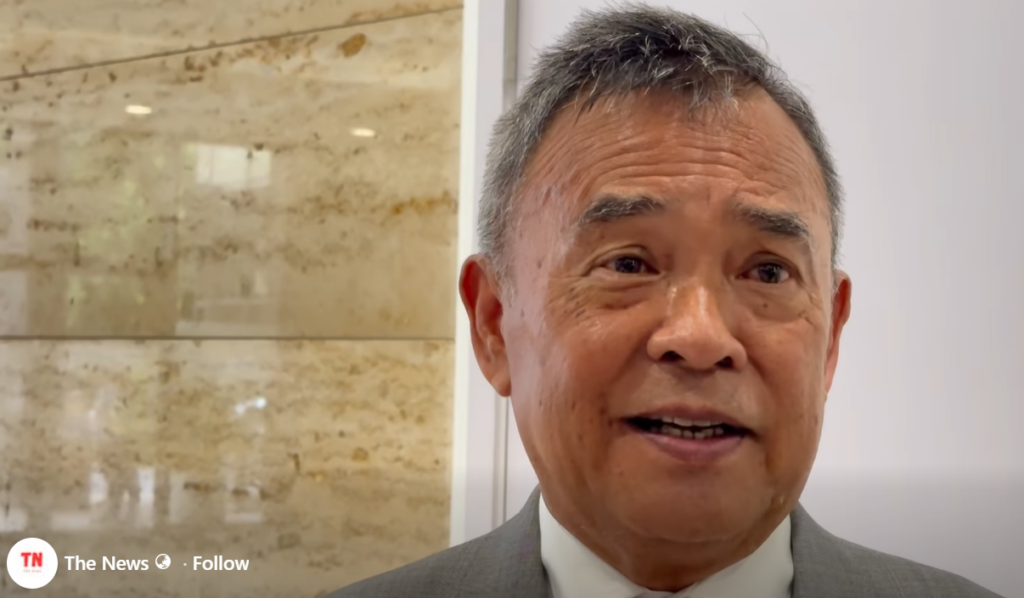
ពូ សុធីរៈ អតីតរដ្ឋមន្រ្តីក្រសួងរ៉ែ និងថាមពល និងបច្ចុប្បន្នជាទីប្រឹក្សាជាន់ខ្ពស់នៃមជ្ឈមណ្ឌលខ្មែរសិក្សាកិច្ចការតំបន់(CCRS) បានពន្យល់បកស្រាយជុំវិញការលុប MoU 2001 ពីសំណាក់រដ្ឋាភិបាលថៃ និងបញ្ហាពាក់ព័ន្ធនឹងកោះ គុត, 15 May 2026, The News: https://www.facebook.com/reel/3032501193614985
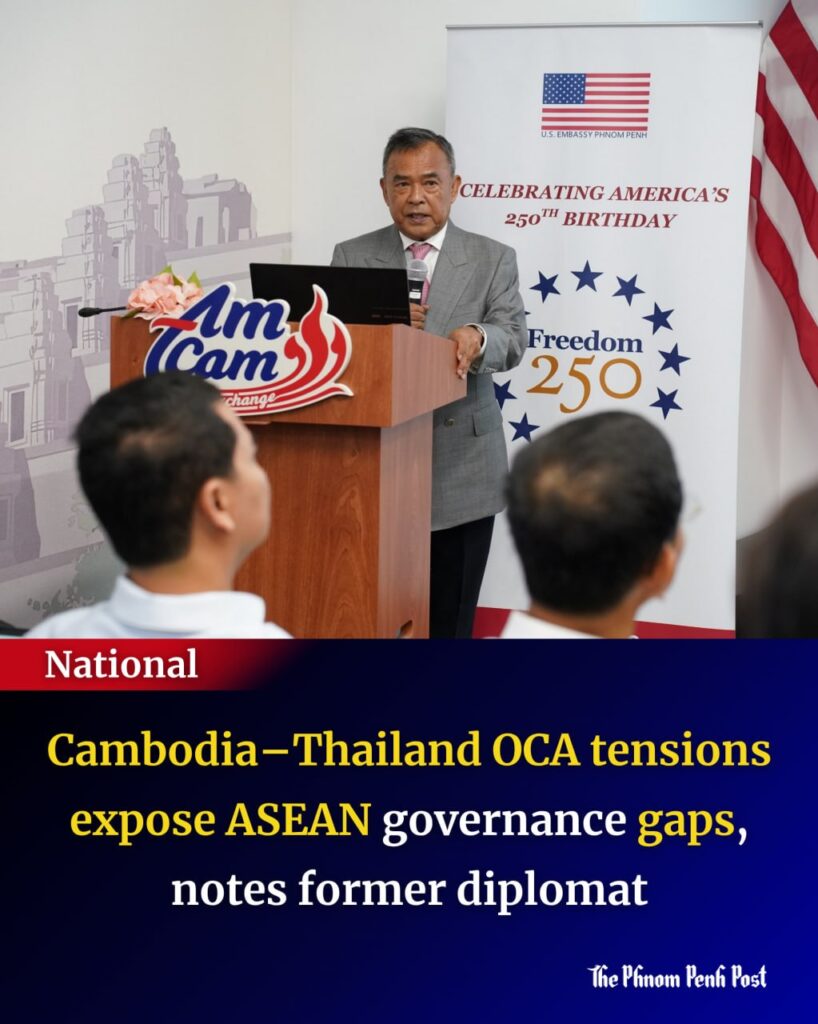
Cambodia–Thailand OCA tensions expose ASEAN governance gaps, notes former diplomat, 16 May 2026, Phnom Penh Post: https://phnompenhpost.com/national/cambodia-thailand-oca-tensions-expose-asean-governance-gaps-notes-former-diplomat/?fbclid=IwY2xjawR3XOdleHRuA2FlbQIxMABicmlkETFTS2hLNkxTTjM3eHVHbWt6c3J0YwZhcHBfaWQQMjIyMDM5MTc4ODIwMDg5MgABHiPnwBIlTFjReqh95uNCy2TPB5Z_2hddJM-2ozBGa_NhHmiMVW3-dOB4pT9W_aem_RjgXcwObwl0Ahw1fHyl__g
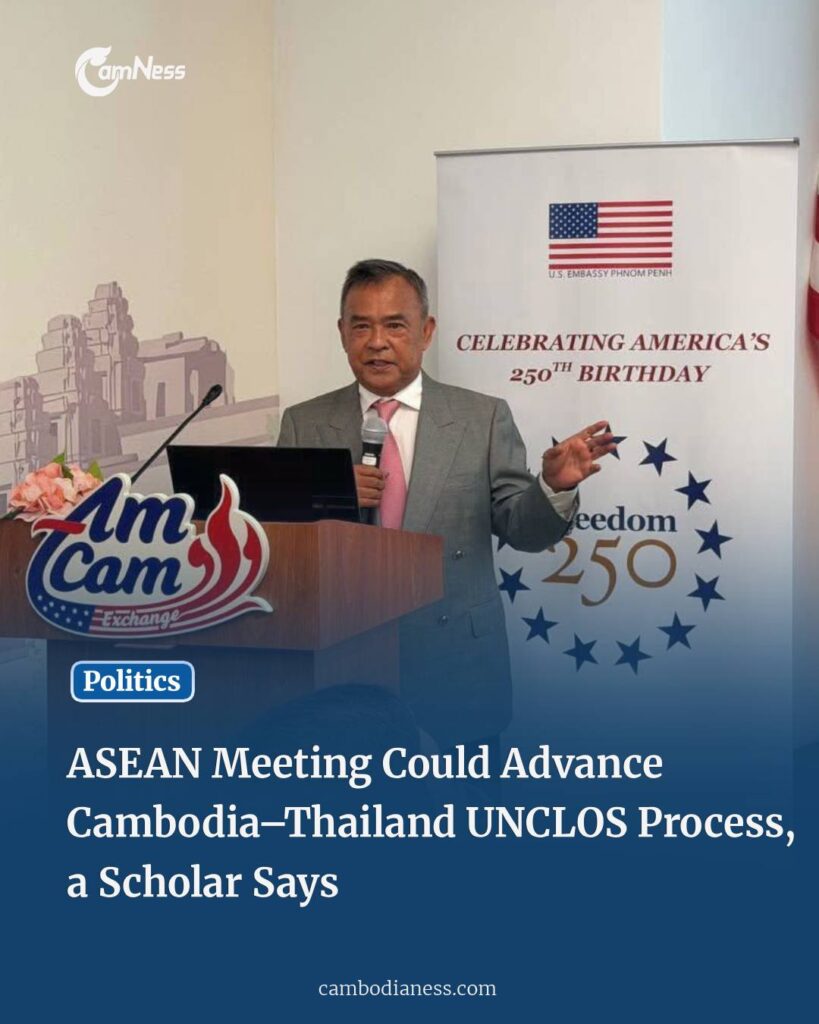
ASEAN Meeting Could Advance Cambodia–Thailand UNCLOS Process, a Scholar Says, 17 May 2026, Cambodianess: https://cambodianess.com/article/asean-meeting-could-advance-cambodia-thailand-unclos-process-a-scholar-says?fbclid=IwdGRjcAR2q9JjbGNrBHarzGV4dG4DYWVtAjExAHNydGMGYXBwX2lkDDM1MDY4NTUzMTcyOAABHhojwuOjDIuPsaHXdkYl3wRRAfxgUTHt2xbUx6d9Do57_4kl7mqPAQePuplu_aem_qVLzceQHx75MZGUlJQRWNA
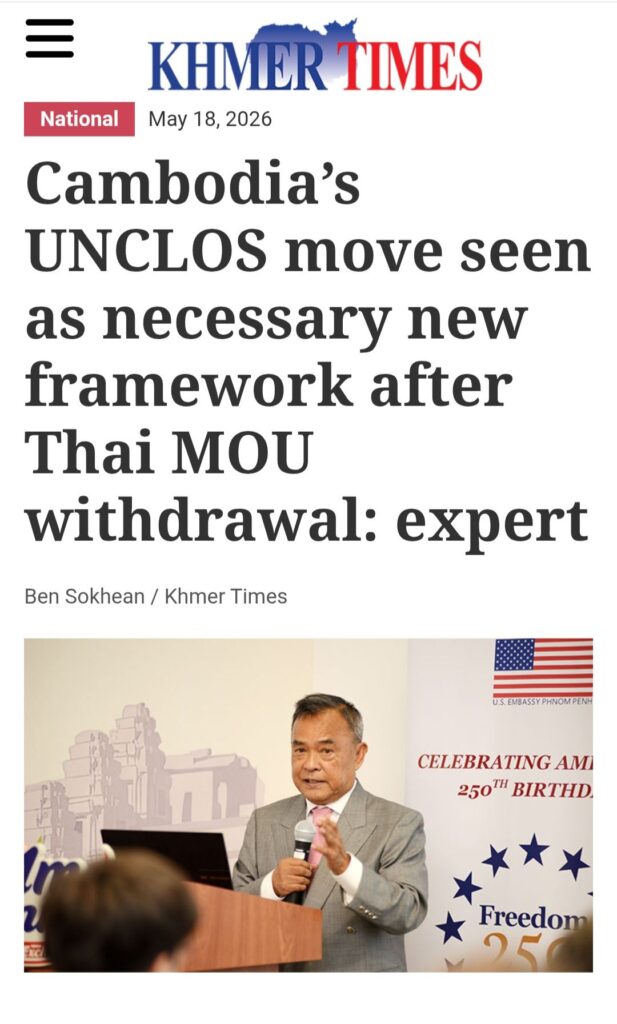
Cambodia’s UNCLOS move seen as necessary new framework after Thai MOU withdrawal: expert, 18 May 2026, Khmer Times: https://www.khmertimeskh.com/501900125/cambodias-unclos-move-seen-as-necessary-new-framework-after-thai-mou-withdrawal-expert/?fbclid=IwY2xjawR3iE9leHRuA2FlbQIxMABicmlkETE0N01NQWtkU2l2YThTVTJxc3J0YwZhcHBfaWQQMjIyMDM5MTc4ODIwMDg5MgABHvT37jtxjIc5oYQcFD_yrrSdrwmhoj2l0MCSvb8GdHYzqrTgcdcOqRBR6LwP_aem_DnNOdNNziFLqzSq7fVGuig
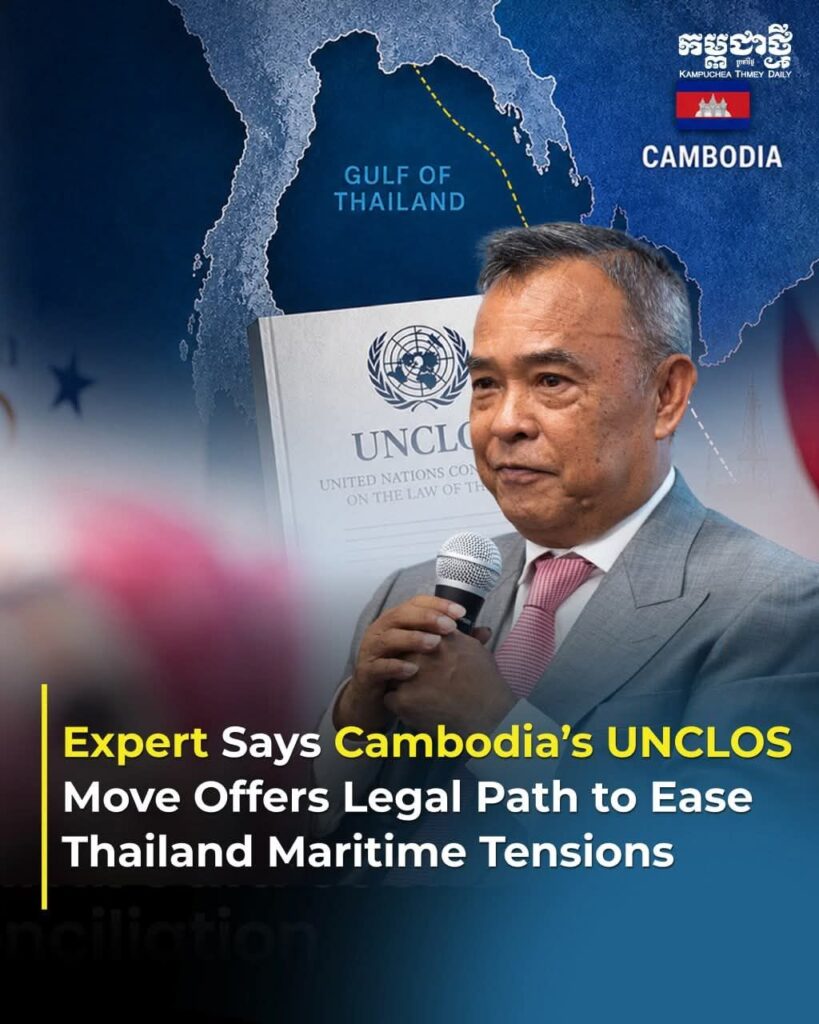
– Expert Says Cambodia’s UNCLOS Move Offers Legal Path to Ease Thailand Maritime Tensions, 18 May 2026, Kampuchea Thmey English, https://www.facebook.com/share/p/14cCYayXzN3/
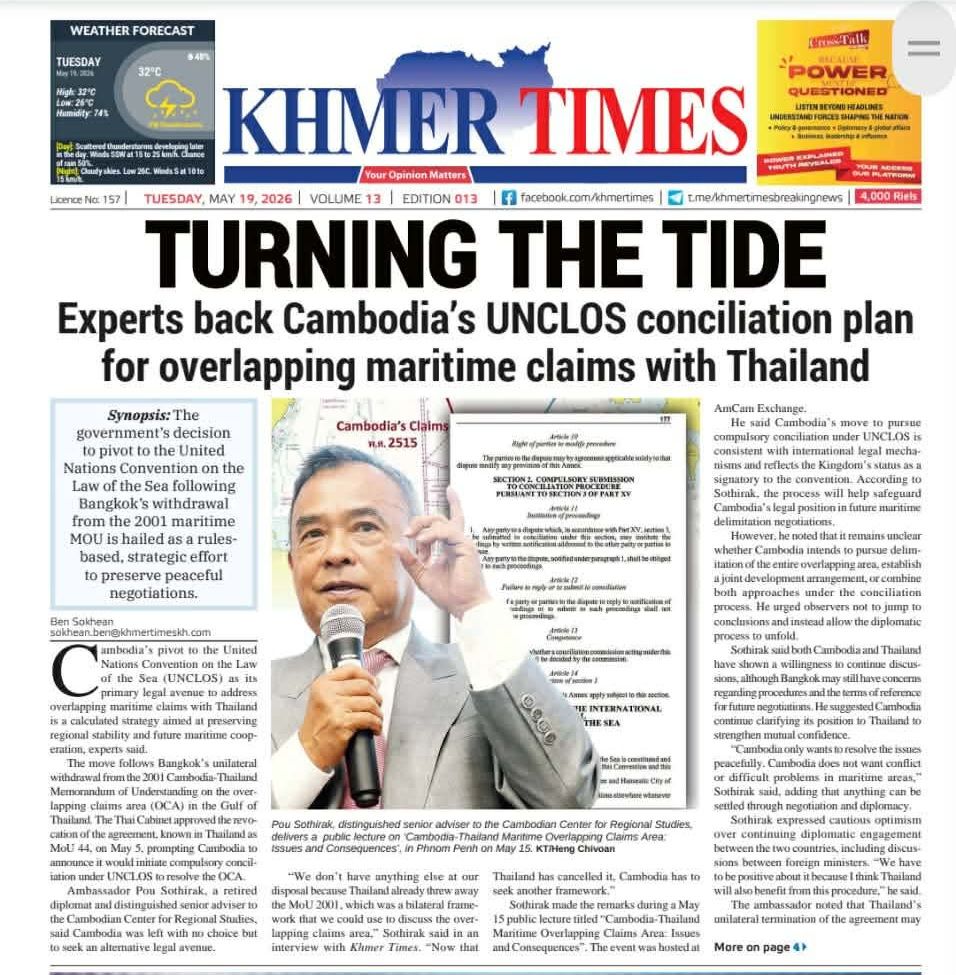
– Experts back Cambodia’s UNCLOS conciliation plan for overlapping maritime claims with Thailand, 19 May 2026, Khmer Times: https://www.khmertimeskh.com/501900412/experts-back-cambodias-unclos-conciliation-plan-for-overlapping-maritime-claims-with-thailand/?fbclid=IwY2xjawR4l0dleHRuA2FlbQIxMABicmlkETE2ZnJTUVZyV0JpNUhDbWZUc3J0YwZhcHBfaWQQMjIyMDM5MTc4ODIwMDg5MgABHkbQdLwL0FrPGyWRBIi-lK7MB5dnfO2qkL7Yi5Gm4BTACN_3lcK-SoepU7db_aem_HeSZFKTpZ8zYaTJJlE-UtQ