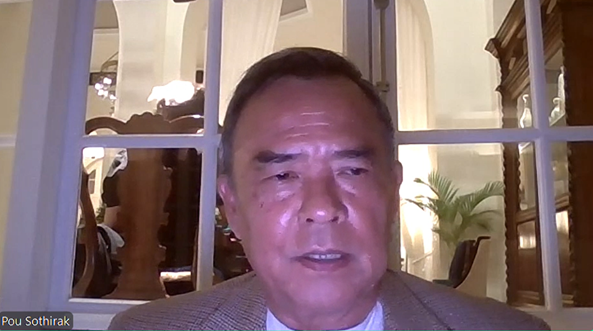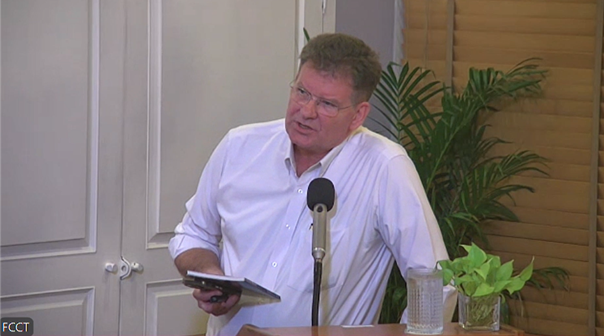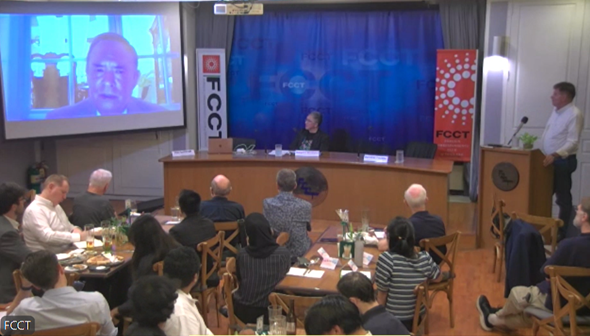
In the evening of 12 November, 2025, Amb. Pou Sothirak, Distinguished Senior Adviser to the Cambodian Center for Regional Studies (CCRS) was invited to speak via ZOOM at a panel discussion on “What does the unresolved battle of maps along the Thai-Cambodian border mean?”, organized by the Foreign Correspondents’ Club of Thailand (FCCT).
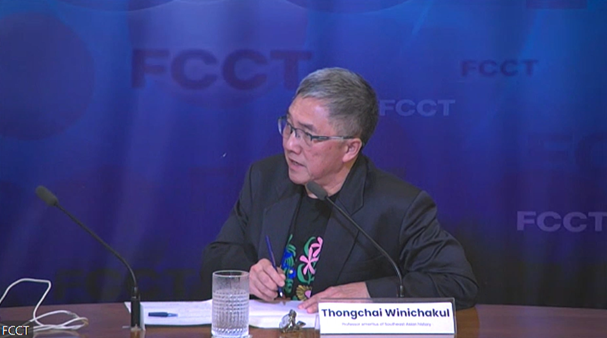
The discussions were focused mainly on the role of maps in resolving the border conflict. From the Thai side, Dr. Thongchai Winichakul, Professor Emeritus of Southeast Asian history, University of Wisconsin-Madison was also invited to speak in person at FCCT. Mr. Dominic Faulder, FCCT Board Member and Nikkei Asia Associate Editor was the moderator.
Below is the key summary of Amb. Pou Sothirak’s comments during this panel discussion in response to multiple questions in addition to the issue of the maps addressed to him by the moderator:
The unfortunate history of border disputes between Cambodia and Thailand is deeply rooted in the colonial era, stemming from a misunderstanding between Siam (Thailand) and French-Indochina. This unresolved issue continues to affect peace and stability in both countries as well in the region. The recent conflict that began in late May of this year has much to do with this long-lived misunderstanding regarding history and the different views regarding what defines the border between the two countries, but also affected by ultra- nationalism and domestic factors as well.
There are obvious differences in how the two nations see their shared land borders. Cambodia relies mainly on the French designated maps from the later originated from the Franco-Siam Convention of 1904 and Treaty of 1907. Cambodia, in an effort to reduce tension, agreed to a Memorandum of Understanding on the Survey and Demarcation Work of Land Boundary, signed in June of 2000 between the two countries. This MOU is an official treaty instrument designed to foster peace and cooperation on the border between the two nations. The call by Thailand extreme right groups to cancel this MOU will shutdown official communication and send stressful message to Cambodia that Thailand may opt to use forces instead of diplomacy as the way to resolve the border conflict between the two countries. Should the bilateral talk fail, and JBC cannot complete its tasked satisfactory to both sides, Cambodia proposed to take the disputes to the ICJ, which is also considered as peaceful resolution to the conflict.
Thailand, by contrast, insists on bilateral negotiations and avoiding external engagements. This position is rooted in unilaterally drawn maps by the Thai military, lacking legal value, used to claim ownership of ancient Khmer-built temples and the lands along the disputed border with Cambodia. Without outside scrutiny, the Thai military faces no pressure to explain this one-sided position. When Cambodia turns to the ICJ for adjudication, Thailand often resorts to preemptive military pressure to force acquiescence to its maps and unilateral “historical” claims.
These ultra-patriotism attitudes reflect the long-lasting Thai military’s ambition on reclaiming the alleged lost territory, and the reliance on cultivated ultra-nationalism has sown seeds of trouble with Cambodia while hindering the JBC’s progress and also make Cambodia distrusts Thailand on bilateral frameworks, such as the JBC or the GBC, prompting Cambodia to seek external mediations, including ASEAN, the UN Security Council, and the ICJ.
While progress has been made, but the latest landmine blown up two Thai soldiers has the potential to derail the peace plan. Lasting peace and the return to normalcy of 75 years of good relations between the two kingdoms require both Cambodia and Thailand to honor the ceasefire agreements and the peace accord that were sign by the two Prime Ministers witnessed by ASEAN Chair and the President Donald Trump. Both side my rebuild mutual trust, and move beyond disputes shaped by contested history and opportunistic nationalism, toward peaceful coexistence through genuine good neighborliness.
Amb. Pou Sothirak called on the Thai side to recognize that Cambodia does not pose a sovereignty threat to Thailand when pursuing peaceful border solutions, including seeking ICJ’s intervention. Cambodia has no ambition to seize any Thai territories. The country only wants to safeguard its legal territories left behind by France colonial power and to be respected by our neighbors. For the recently signed peace accord to resolve effectively the conflict, Cambodia and Thailand should honor their commitment to peace and not conflict.
To reduce tensions and restored trust, Thailand should release the 18 captured Cambodian soldiers, reopen all border checkpoints gradually, refrain from canceling the MOUs. The landmine issue should be referred to joint investigation between relevant authorities between the two sides with the support from the neutral ASEAN Observer Teams and other friendly countries to verify the hard truth. The peace accord should not be suspended or thrown away, as doing so, full blown war is eminent. Peace must prevail over conflict.